
Compare Local Contractors for Commercial Air Duct Cleaning Services
Compare local contractors for commercial air duct cleaning to clarify scope, verify experience, and establish clear expectations for a successful project.
Commercial air duct cleaning services typically encompass the thorough inspection, cleaning, and maintenance of the HVAC ductwork within a commercial property. This work often involves removing dust, debris, mold, and other contaminants that can accumulate over time, which may impact indoor air quality and system efficiency. Contractors may also clean related components such as vents, registers, and fans to ensure the entire air distribution system functions as intended. Clearly understanding the scope of these services helps property owners determine what specific tasks are included and whether additional work might be necessary to meet their building’s unique needs.
Defining the scope of work is a crucial step when evaluating commercial air duct cleaning contractors. A well-outlined scope helps prevent misunderstandings by specifying the areas to be cleaned, the methods to be used, and the expected outcomes. Property owners should inquire about what is included in the service and whether any parts of the system require special attention or additional services. Having these details in writing provides a reference point, making it easier to compare proposals and ensure that all parties have aligned expectations, which can contribute to a smoother process and satisfactory results.
When comparing local contractors for commercial air duct cleaning, property owners should consider several practical factors. It’s helpful to verify the experience and reputation of service providers through references or reviews, ensuring they have a history of handling similar projects. Additionally, reviewing how each contractor outlines their scope of work and the methods they employ can reveal differences in quality and thoroughness. Property owners are encouraged to ask for detailed written proposals that specify the work to be performed, the materials or equipment used, and any guarantees or warranties offered. This approach supports making an informed decision based on the contractor’s expertise and the clarity of their service offerings.
Compare local contractors by outlining your priorities, verifying experience, and clearly defining project expectations in writing.
- Compare Contractor Credentials - Verify the experience and reputation of local service providers to ensure quality work.
- Define Service Scope - Clearly outline the specific cleaning tasks and areas to be addressed in written agreements.
- Assess Service Offerings - Review the range of services provided by local contractors to meet specific commercial needs.
- Establish Clear Expectations - Communicate your requirements and confirm details in writing to prevent misunderstandings.
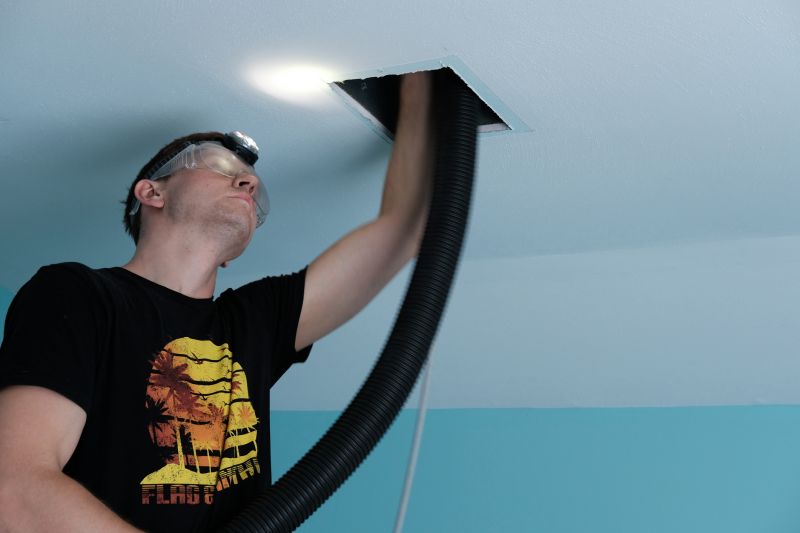
Clearly describing your commercial air duct cleaning project helps compare local contractors, verify experience, and set expectations effectively.
- Verify experience and expertise in commercial air duct cleaning to ensure the contractor understands the specific requirements of large-scale systems. - Look for service providers who clearly define the scope of work, including cleaning methods and areas covered.
- Compare multiple local contractors to evaluate their approaches and ensure they follow industry best practices for thorough cleaning. - Ensure the scope of work and cleaning procedures are documented in writing for clarity and accountability.
- Check for references or reviews that highlight the contractor’s ability to handle commercial air duct systems effectively. - Confirm that service providers have experience working with the size and complexity of the building’s ductwork.
- Ensure the contractor provides a detailed written estimate outlining the cleaning process and scope of services. - Clarify what is included and what is not to prevent misunderstandings later.
- Assess the contractor’s communication style to ensure they are transparent and responsive during the planning phase. - Good communication helps set clear expectations and facilitates a smooth cleaning process.
Compare local contractors, clarify scope, verify experience, and set clear expectations in writing.


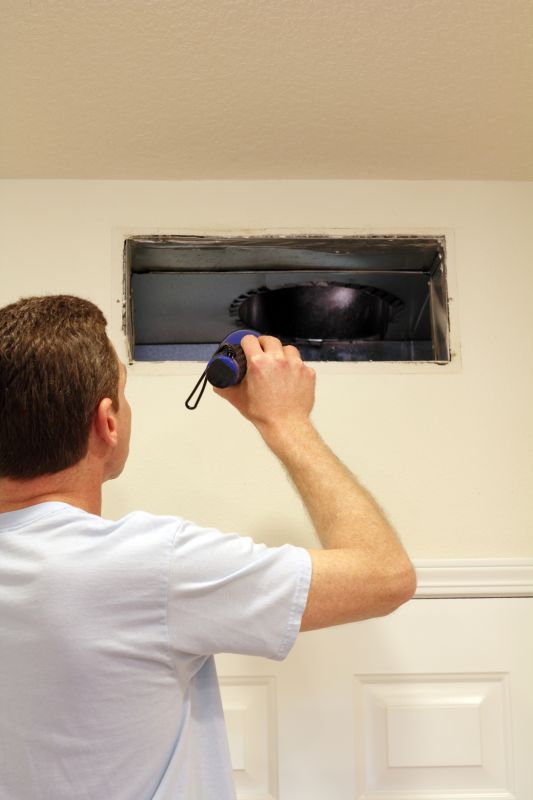
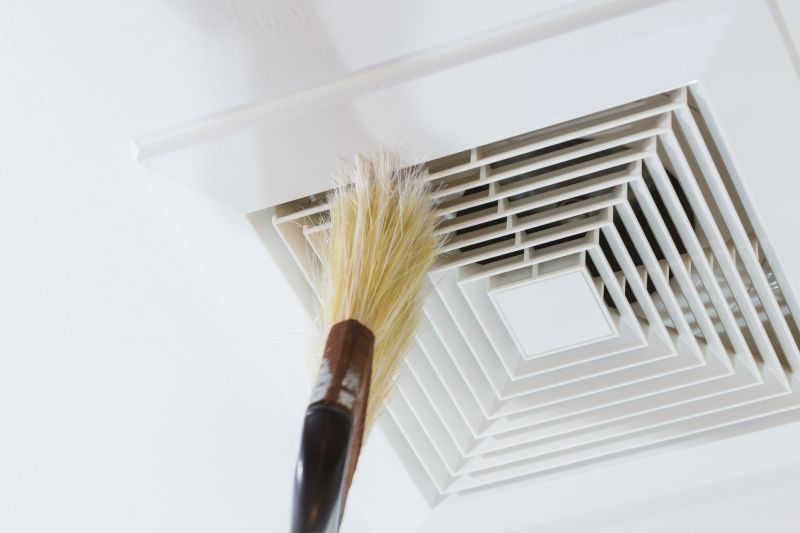
Use clear, consistent criteria to compare local contractors’ scope, experience, and written expectations for air duct cleaning.
- Scope Definition - Clearly outline the specific areas and types of ductwork included in the cleaning service.
- Service Details - Specify the cleaning methods, equipment used, and any additional services provided during the process.
- Experience and Qualifications - Verify the experience level and relevant background of the service providers handling commercial duct cleaning.
- Work Expectations - Document the expected outcomes, any preparatory steps, and post-cleaning procedures to ensure clarity.
- Written Agreement - Ensure all scope, service details, and expectations are documented in a formal agreement before work begins.
When comparing contractors for commercial air duct cleaning, it is important to evaluate their experience with projects similar in scope and complexity. Service providers who have a proven track record handling commercial spaces comparable to the property in question can better demonstrate their capability to meet specific needs. Asking about the types of buildings or industries they have worked with can help gauge their familiarity with the unique challenges and requirements associated with different commercial environments.
A clear, detailed written scope of work is essential to ensure all parties have aligned expectations. A reputable contractor should be able to provide a comprehensive outline of the cleaning process, including the areas to be addressed, methods used, and any equipment involved. This documentation helps prevent misunderstandings and provides a reference point for both the homeowner and the contractor throughout the project. Ensuring that the scope is specific and thorough can contribute to a smoother process and more predictable results.
Verification basics involve understanding how a contractor plans to confirm the quality and effectiveness of the cleaning. Service providers should be prepared to describe their verification methods, such as visual inspections, airflow measurements, or particulate testing. These steps help ensure the work has been completed to an acceptable standard and that the air duct system is cleaner and healthier after the service. Clarifying these verification practices upfront can assist in evaluating the professionalism and thoroughness of different contractors.
When assessing options, it is helpful to compare how each contractor approaches the project rather than focusing solely on cost. Consider the level of detail in their scope, their experience with similar projects, and their verification procedures. Asking service providers to explain their process and how they ensure quality can provide insight into their professionalism and reliability. This approach encourages a thorough evaluation of each option, helping homeowners make informed decisions based on the contractor’s expertise, communication, and approach to delivering results.
Ask contractors to provide written scope details to ensure clarity and consistency throughout the project.
- Experience and Credentials - What experience do the local contractors have with commercial air duct cleaning projects similar to yours?
- Scope of Work - How do the service providers define and outline the specific scope of work included in their cleaning services?
- Equipment and Methods - What equipment and cleaning methods do the local contractors use to ensure thorough and effective duct cleaning?
- References and Past Work - Can the contractors provide references or examples of previous commercial duct cleaning jobs they have completed?
- Written Estimates and Scope Clarity - Do the service providers offer detailed written descriptions of the scope of work to help compare their offerings?
What should I consider when choosing a contractor for commercial air duct cleaning? It's important to compare the experience and reputation of local contractors, review their scope of work, and ensure that all project details are clearly outlined in writing to set proper expectations.
How can I verify a contractor’s experience in commercial air duct cleaning? You can ask for references or examples of previous projects, check reviews or ratings, and confirm that the contractor has a history of handling similar commercial cleaning jobs.
Why is it important to define the scope of work before hiring a contractor? Clearly outlining the scope helps ensure all parties agree on the services to be provided, prevents misunderstandings, and facilitates accurate comparison between different service providers.
What questions should I ask a contractor during the selection process? Inquire about their experience with commercial air duct cleaning, the methods they use, what is included in their service, and how they document and communicate project details.
How can I compare different contractors effectively? Focus on their experience, scope of work, reputation, and the clarity of written agreements. Gathering multiple proposals can help identify which provider best aligns with the project needs.
What is the benefit of having a written agreement with a contractor? A written agreement helps ensure that all expectations, scope, and responsibilities are clearly documented, reducing the risk of misunderstandings during the project.
Understanding the essentials of hiring contractors for commercial air duct cleaning helps ensure a smooth process. Visitors learned how to define the scope of work, verify the experience of service providers, and establish clear expectations in writing. Comparing local contractors enables informed decisions and helps find professionals who meet specific project needs.
Using the quote form allows visitors to easily connect with local service providers who can handle the job. This step provides an efficient way to explore options, compare offerings, and find the right contractor to meet project requirements. Taking a moment to reach out can facilitate a more tailored and straightforward selection process.