
Compare Local Contractors for Accurate Mold Air Testing
Compare local contractors for mold air testing to define scope, verify experience, and set clear expectations for your property’s assessment.
Mold air testing performed by contractors typically involves collecting air samples within a property to identify the presence and concentration of mold spores. This process helps determine whether mold levels are elevated compared to outdoor air or baseline conditions, providing valuable information about indoor air quality. Contractors may use specialized equipment to gather samples from different areas of a property, interpret the results, and help property owners understand if mold growth is a concern that requires further action or remediation.
Defining the scope of mold air testing is an essential step in ensuring the work aligns with property owners’ needs and expectations. A clear scope should specify which areas will be tested, the types of samples to be collected, and the objectives of the testing. Establishing these details in writing can help prevent misunderstandings, ensure thorough coverage, and facilitate informed decision-making. It also provides a reference point for evaluating the contractor’s work and ensures that the testing process addresses specific concerns related to the property.
Property owners can effectively compare local contractors by considering their experience, the services offered, and their approach to scope definition. It’s beneficial to ask how each contractor plans to conduct the testing, what types of samples they will collect, and how they interpret the results. Verifying that contractors understand the importance of a detailed scope and can communicate their process clearly can help ensure the chosen service provider is well-equipped to meet specific needs. Reviewing credentials, requesting written descriptions of their testing procedures, and checking references can further assist in making an informed choice among local contractors handling mold air testing.
Compare local contractors by outlining your priorities, verifying experience, and clearly defining scope and expectations in writing.
- Compare Contractor Experience - review the background and expertise of local contractors to ensure they understand mold air testing.
- Define Service Scope - clearly outline the testing process and what is included to set proper expectations.
- Verify Credentials and References - check references and inquire about previous mold testing projects for reliability.
- Document Terms in Writing - ensure all project details, scope, and expectations are documented before work begins.
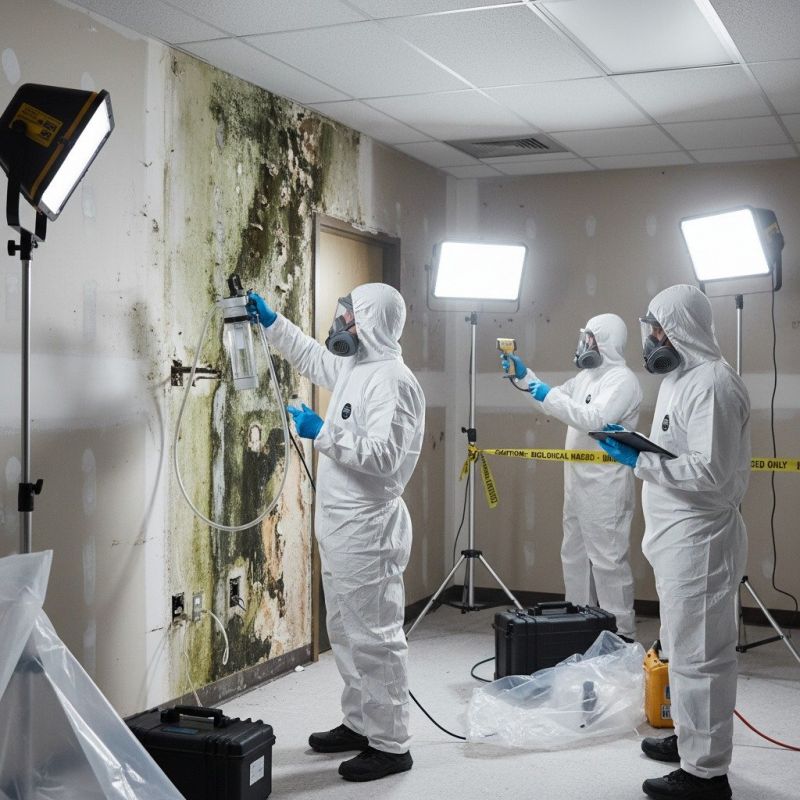
Before comparing local contractors for mold air testing, clearly describe your project scope and verify their experience.
- Verify the experience and credentials of the service providers specializing in mold air testing. - Ensure contractors clearly define the scope of testing and sampling methods in writing.
- Compare the testing techniques used by different local contractors to ensure they follow industry standards. - Look for detailed explanations of sample collection, analysis, and reporting processes.
- Check that contractors provide comprehensive reports that identify mold types and concentrations accurately. - Confirm that scope, procedures, and expectations are documented clearly in the service agreement.
- Assess the contractor’s ability to explain test results and recommend appropriate next steps. - Make sure the scope of work includes follow-up or remediation recommendations if necessary.
- Review the credentials and experience of the testing team to ensure reliable and accurate results. - Prioritize service providers who have a proven track record with mold air testing projects.
Compare local contractors' experience and clarify scope to ensure effective mold air testing services.
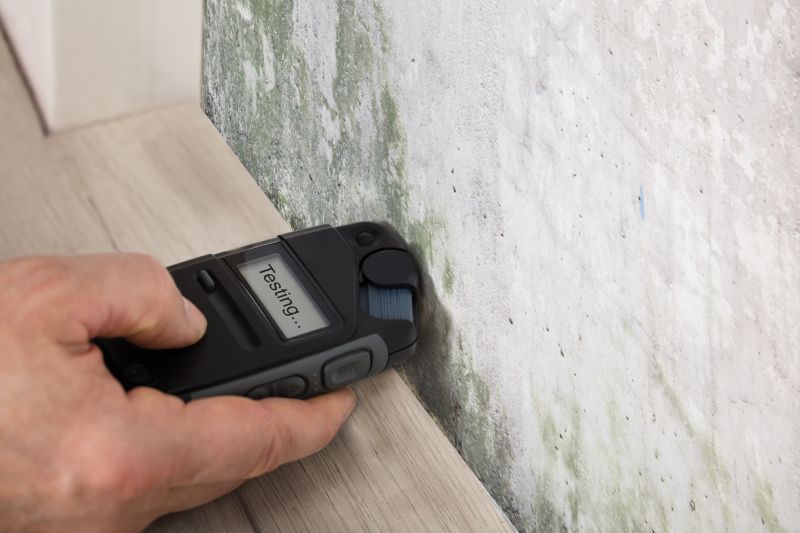
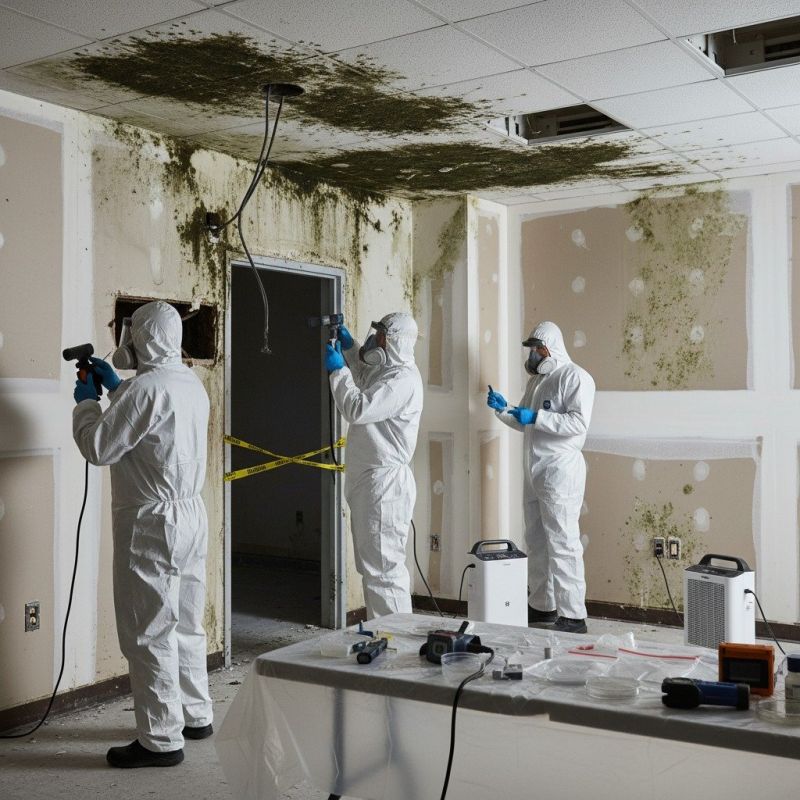
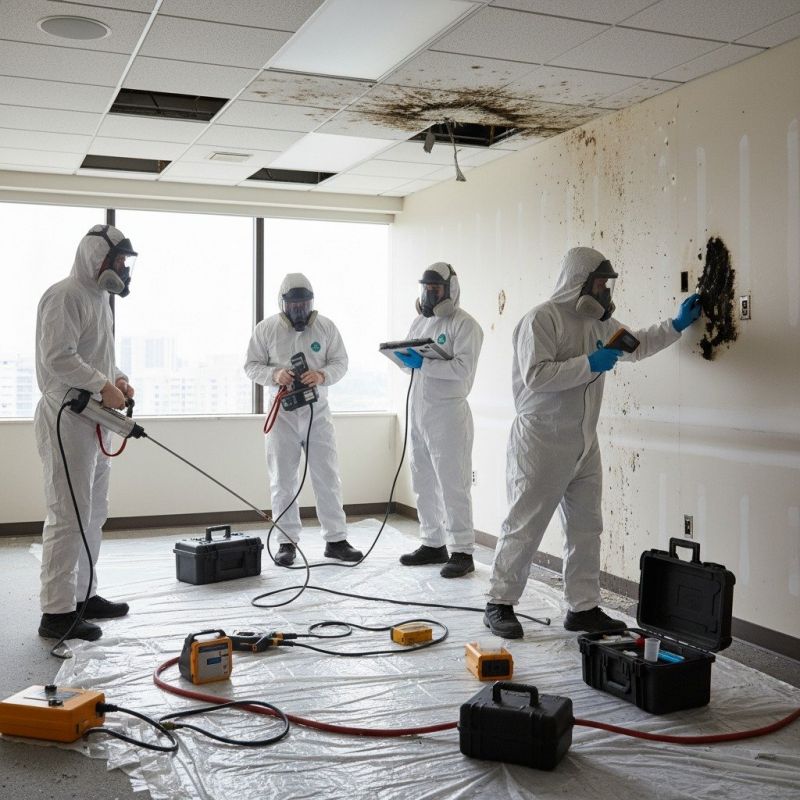
Use consistent comparison criteria to evaluate local contractors’ scope, experience, and written expectations for mold air testing.
- Scope Definition - Clearly outline the specific areas and surfaces to be tested for mold spores and airborne contaminants.
- Sampling Methods - Specify the types of air testing techniques, such as spore traps or air impaction, that will be used during the assessment.
- Experience Verification - Confirm that service providers have relevant experience conducting mold air testing in similar environments.
- Reporting Requirements - Ensure that detailed test results, including findings and interpretations, will be provided in a written report.
- Scope of Work Clarification - Define what is included and excluded in the testing process to set appropriate expectations.
When evaluating contractors for mold air testing, it is important to consider their experience with similar projects. Homeowners should inquire about the types of properties and environments the service providers have worked with in the past. A contractor with a history of handling mold testing in residential settings similar to the home in question can offer insights into their familiarity with common issues and effective testing methods. Understanding a contractor’s background helps ensure that they are knowledgeable about the specific challenges that may arise during mold investigations in comparable spaces.
A clear, written scope of work is essential when comparing contractors for mold air testing. The scope should outline exactly what testing will be performed, the areas that will be sampled, and the methods used to collect and analyze air samples. Having this information in writing helps set clear expectations and ensures that both parties agree on the process before work begins. Homeowners should seek detailed descriptions of the testing procedures so they can compare what each service provider offers and confirm that the scope aligns with their concerns and needs.
Verification basics are key to assessing the reliability of mold air testing services. Homeowners should ask how the contractor plans to verify that testing results are accurate and representative of the indoor environment. This includes understanding how samples are collected, handled, and analyzed, as well as what quality control measures are in place. Service providers who can clearly explain their testing protocols and quality assurance practices demonstrate a commitment to obtaining trustworthy results. Proper verification helps homeowners feel confident that the testing accurately reflects the presence or absence of mold in the air.
When comparing options for mold air testing, homeowners should focus on how each contractor presents their scope, experience, and verification approach. It is helpful to review the details of what each service provider offers and how they communicate their process in writing. This allows for an informed comparison based on the thoroughness and clarity of their approach, rather than price or availability. Choosing a contractor who provides transparent, detailed information and demonstrates experience with similar projects can lead to more reliable testing outcomes and better-informed decisions about next steps.
Ask contractors to provide written scope details to ensure clarity and consistency in mold air testing services.
- Experience and Credentials - What experience do the service providers have with mold air testing?
- Scope of Testing - How do the contractors define the scope of mold air testing for your property?
- Testing Methods - What testing techniques and equipment do the local contractors use for mold air analysis?
- Reporting and Documentation - How will the results be documented, and will the findings be explained clearly in writing?
- Comparison Criteria - What factors should be considered when comparing different mold air testing service providers?
What should I consider when comparing contractors for mold air testing? It's important to review their experience with mold testing, verify their scope of work, and ensure they can provide clear, written descriptions of services to set proper expectations.
How can I verify a contractor's experience with mold air testing? Ask for details about their previous projects, the types of testing methods they use, and whether they have relevant industry knowledge to ensure reliable results.
What questions should I ask to define the scope of mold air testing? Inquire about the areas to be tested, the types of samples collected, and whether additional inspections or follow-up testing may be recommended based on initial findings.
Why is it important to have the scope and expectations in writing? Having a written agreement helps clarify the services to be performed, prevents misunderstandings, and provides a reference for the work agreed upon.
How can I compare different service providers for mold air testing? Review their experience, scope of services, and how clearly they communicate what will be included in the testing process to make an informed choice.
What should I look for in a contractor's description of mold air testing services? Clear explanations of testing procedures, sample locations, and how results will be reported help ensure transparency and proper understanding of the process.
This page has provided an overview of what to consider when selecting a contractor for mold air testing, including how to define the scope of work, verify experience, and set clear expectations in writing. Understanding these key points can help in comparing different service providers and making informed choices. Using the quote form allows for easy connection with local contractors who can handle the specific needs of your property.
To find the right contractor for mold air testing, it’s important to review how each service provider approaches the scope, their experience, and how they communicate expectations. The quote form offers a straightforward way to compare options and connect with local contractors who can assist with your project. Taking these steps can help ensure your needs are addressed by qualified service providers in your area.