
Compare Local Contractors for Radiator Heating Installation Success
Compare local contractors to define your project scope, verify experience, and set clear expectations for radiator heating installation.
Radiator heating installation involves a range of tasks that ensure a property’s heating system functions effectively and efficiently. Typically, this work includes selecting appropriate radiators, preparing the installation area, connecting the units to the existing plumbing or heating infrastructure, and ensuring proper venting and operation. In some cases, it may also involve modifying or upgrading the current system to accommodate new radiators or improve overall performance. Clear communication about the scope of work helps property owners understand what is included and sets realistic expectations for the project.
Defining the scope of radiator heating installation is essential for a smooth process. It helps prevent misunderstandings between property owners and contractors by specifying which tasks are included, such as removal of old units, modifications to existing pipes, or adjustments to the heating controls. A well-defined scope also provides a basis for comparing different service providers, ensuring that each contractor’s proposal covers the same work and that there are no surprises later on. Detailed scope documentation can serve as a reference point throughout the project, helping to keep the work on track and aligned with the property owner’s needs.
When choosing among local contractors for radiator heating installation, property owners should consider several factors to make informed comparisons. Verifying the experience and reputation of service providers can help identify those with relevant expertise in similar projects. Reviewing the scope of work offered by each contractor ensures that services align with specific requirements. It’s also beneficial to examine how each contractor communicates scope and expectations in writing, as clear documentation can prevent misunderstandings. Comparing these aspects across multiple local service providers can assist property owners in selecting a contractor that meets their needs with clarity and confidence.
Compare local contractors by outlining your project priorities, verifying experience, and setting clear expectations in writing.
- Compare Contractor Credentials - review experience and qualifications to ensure reliable radiator heating installation services.
- Define Project Scope Clearly - specify the work to be done and expectations in writing for transparency.
- Verify Experience and References - assess past work and reputation of local contractors before hiring.
- Request Detailed Written Agreements - ensure all project details, responsibilities, and expectations are documented.
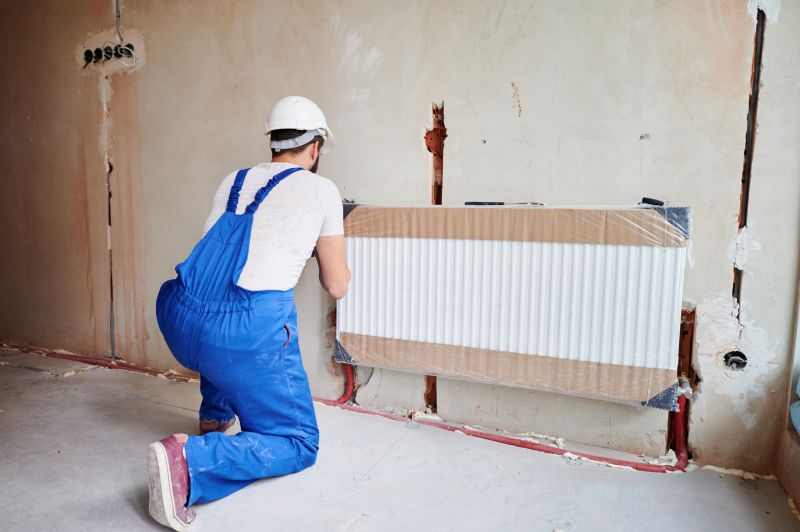
Clearly describe your radiator heating installation project first, then compare local contractors' experience and define expectations in writing.
- Verify experience with radiator heating installation to ensure contractors are knowledgeable about system requirements and best practices. - Confirm that service providers clearly define the scope of work and installation process in writing.
- Compare multiple local contractors to assess their expertise, reputation, and approach to radiator heating projects. - Ensure that contractors provide detailed descriptions of their methods and materials used.
- Check references or reviews to evaluate past performance on radiator heating installations and customer satisfaction. - Look for consistency in quality and professionalism across different service providers.
- Ensure that the scope of work, materials, and project expectations are documented in a comprehensive written agreement. - Clarify any uncertainties before work begins to prevent misunderstandings.
- Assess the communication style and responsiveness of potential contractors to determine their willingness to provide detailed explanations. - Effective communication is key to aligning project expectations and requirements.
Compare local contractors' experience and clarify project scope to ensure smooth radiator heating installation.
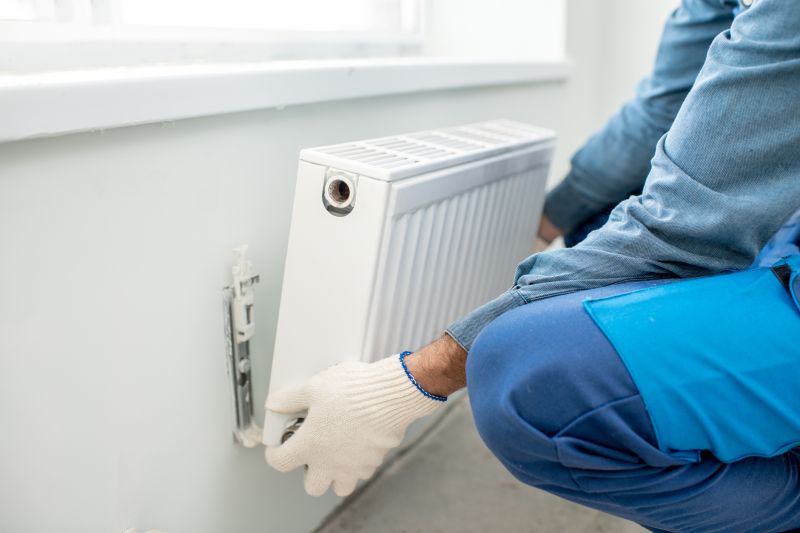
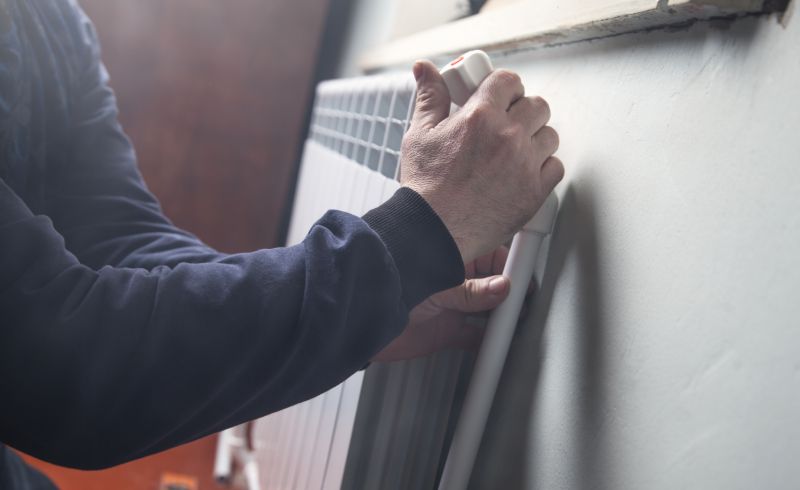
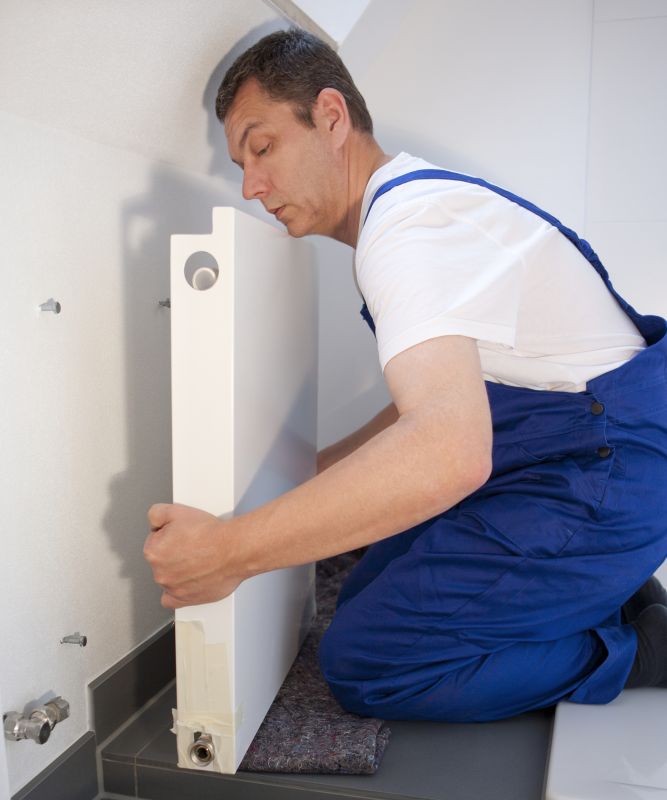

Use consistent comparison criteria across local contractors to accurately assess scope, experience, and written expectations.
- Scope Definition - Clearly outline the specific tasks and responsibilities involved in the radiator heating installation.
- Experience Verification - Confirm that the service providers have relevant experience with radiator heating system installations.
- Material Specifications - Specify the types and quality of radiators, pipes, and other components to be used in the project.
- Installation Standards - Establish the required procedures and standards that the installation must meet for proper performance.
- Written Agreement - Ensure all scope details, expectations, and responsibilities are documented in a formal agreement with the service providers.
When evaluating contractors for radiator heating installation, it’s important to consider their experience with similar projects. Homeowners should inquire about the types of heating systems they have installed in homes comparable in size and style. A contractor’s familiarity with the specific requirements of radiator systems, including the complexities of retrofitting or integrating with existing infrastructure, can influence the quality and efficiency of the work. Checking for a portfolio or references related to previous projects can provide insights into their hands-on experience and success with installations similar to the scope at hand.
A clear, written scope of work is essential for establishing shared expectations and ensuring the project proceeds smoothly. Homeowners should seek contractors who provide detailed descriptions of the tasks involved, including the materials to be used, the specific areas to be addressed, and the stages of the installation process. A comprehensive scope helps prevent misunderstandings and serves as a basis for evaluating whether the contractor’s approach aligns with the homeowner’s needs. It also facilitates better communication and provides a reference point should questions or issues arise during or after the installation.
Verification basics involve confirming that the contractor’s proposed approach aligns with industry standards and best practices for radiator heating systems. Homeowners should ask how the contractor plans to assess the existing infrastructure and ensure compatibility with new components. Clarifying whether the contractor will perform system tests, inspections, or other verification steps can help determine their thoroughness and attention to detail. While formal licensing or certification are not the focus here, understanding their process for quality assurance can help gauge their professionalism and dedication to a proper installation.
When comparing options, homeowners should focus on the contractor’s experience, the clarity of their scope of work, and their approach to verification. It’s helpful to ask how they plan to handle unforeseen issues or adjustments during the installation process. Reviewing written proposals that outline the scope, methods, and verification steps allows for an informed comparison based on the thoroughness and professionalism of each service provider. This approach ensures that the chosen contractor can deliver a reliable, well-executed radiator heating system tailored to the home’s specific needs.
Ask contractors to provide written scope details to ensure clear understanding and consistent expectations throughout the project.
- Experience and Qualifications - What relevant experience and background do local contractors have with radiator heating installation?
- Scope of Work - How will the service provider define and outline the specific tasks included in the installation project?
- Materials and Equipment - What types of radiators and related components do the contractors recommend and plan to use?
- Project Expectations - How will the scope, responsibilities, and deliverables be documented and agreed upon in writing?
- Comparison Criteria - What factors should be considered when comparing different local contractors' approaches to scope and service quality?
How can I compare contractors for radiator heating installation? To compare contractors, review their experience with radiator heating systems, check for references or reviews, and ensure they clearly define the scope of work in writing.
What should I look for when selecting a contractor for radiator heating installation? Look for contractors who have relevant experience, provide detailed written estimates, and outline the installation process and responsibilities upfront.
How important is it to verify a contractor's experience? Verifying experience helps ensure the contractor understands radiator heating systems well and can handle the specific requirements of the installation project.
What questions should I ask a contractor before hiring for radiator heating work? Ask about their experience with similar projects, how they plan to approach the installation, and request a written scope of work and project expectations.
Why is it recommended to have the scope of work in writing? Having the scope of work in writing helps set clear expectations, reduces misunderstandings, and provides a reference throughout the project.
How can I ensure a contractor's work aligns with my expectations? Clearly communicate your needs, review the detailed scope of work, and confirm that all project details are documented before work begins.
By exploring the information provided, visitors can gain a clearer understanding of how to evaluate and compare contractors for radiator heating installation. Learning to define the scope of work, verify experience, and set clear expectations in writing helps ensure the selection process is informed and organized. Using the quote form to connect with local service providers makes it easier to explore options and find the right match for specific project needs.
Utilizing the quote form allows visitors to compare local contractors who are equipped to handle radiator heating installation. This approach streamlines the process of gathering information and assessing different service providers, helping to identify options that align with individual project requirements. Taking the time to define the scope and verify experience with prospective contractors can support a more straightforward and transparent selection process.